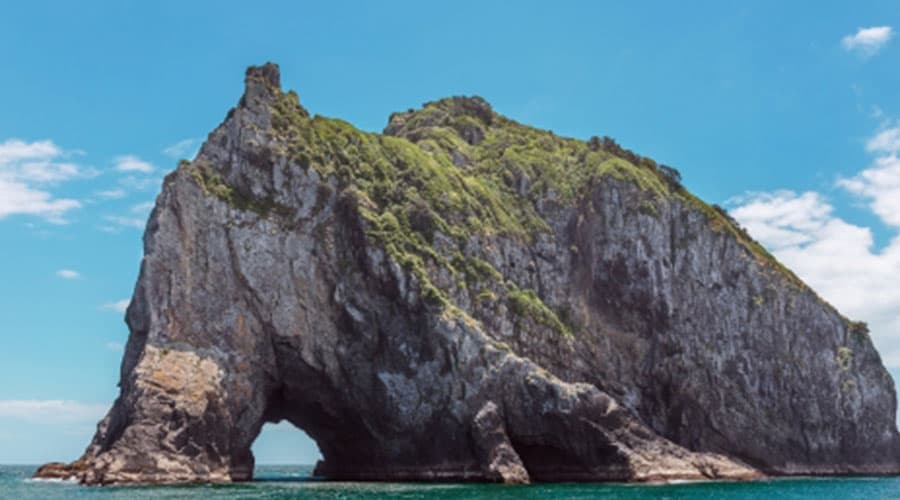
Best Way to Visit New Zealand
How to Travel, See Both Islands, and Keep Logistics From Ruining the Trip
June 01, 2026
5 minute read
June 01, 2026
5 minute read





CST No. 2006766-20; UBI No. 601-220-855; Fla. Seller of Travel Reg. No. ST35613 © 2026 Collette Travel Services. All Rights Reserved.


New Tours

North America

Europe

Australia

Africa

South America

Asia

Antarctica

View All Destinations
MENU
What’s the best way to travel around New Zealand? It may depend on who you ask; some people prefer the convenience of flying from place to place, while others are ready to grab their backpack and rent a van.
In this post, I’ll share how we get around New Zealand on Collette’s guided tours. It’s an approach we’ve honed over decades of designing tours, based on the advice of local experts and feedback from travelers like you.
New Zealand has two main islands: the North Island and the South Island, separated by Cook Strait. On our tours, we don’t just visit Auckland or Queenstown or Milford Sound. We integrate great travel experiences between destinations, so travelers see how the landscape shifts from coast to hills, hills to alpine views, and small-town streets to big open skies.
To include both North and South Islands in one trip, Collette’s New Zealand tour takes a north‑to‑south route that includes the Cook Strait ferry through Marlborough Sounds as a connection point between the two.
A flow that consistently works for us is Auckland → Rotorua → Wellington → Cook Strait ferry → Christchurch → onward through the South Island.
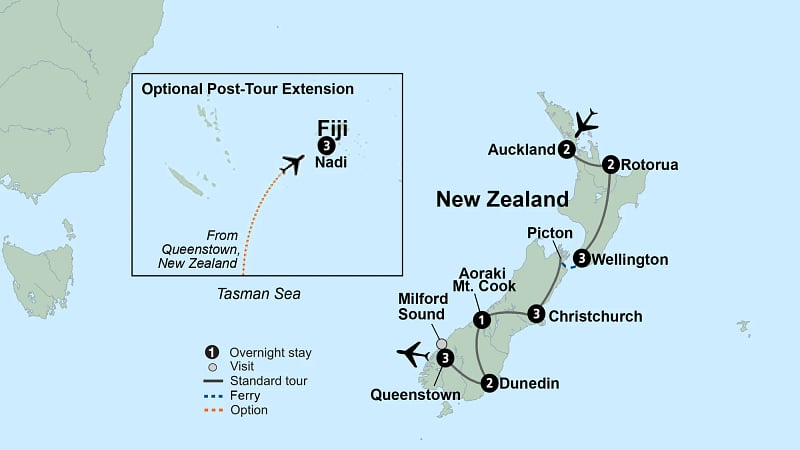
Why this is a good way to see New Zealand:
It keeps your trip moving forward. You’re not doubling back or losing days zig-zagging around.
It supports thoughtful pacing. This flow allows us to balance longer travel days with multi‑night stays that let guests unpack and settle into a place.
It makes the island crossing part of the experience. While you can fly between islands, making transitions into part of the trip gives you more time to see New Zealand.
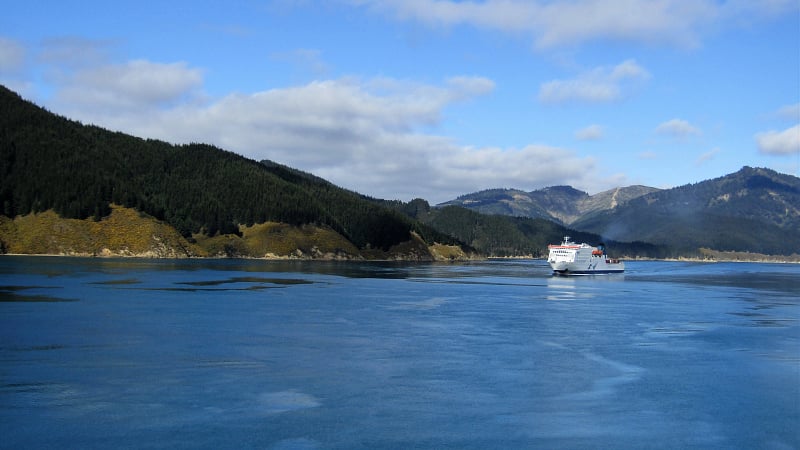
Cook Strait separates the North Island from New Zealand’s South Island. While you can fly across, we like to take the Cook Strait ferry so you stay immersed in the landscape.
The three-and-a-half hour ferry crossing takes you through Marlborough Sounds where forested hills rise out of the sea, and you have the chance to spot seabirds and even dolphins. It’s a relaxing way to watch the landscape change as you approach the South Island.
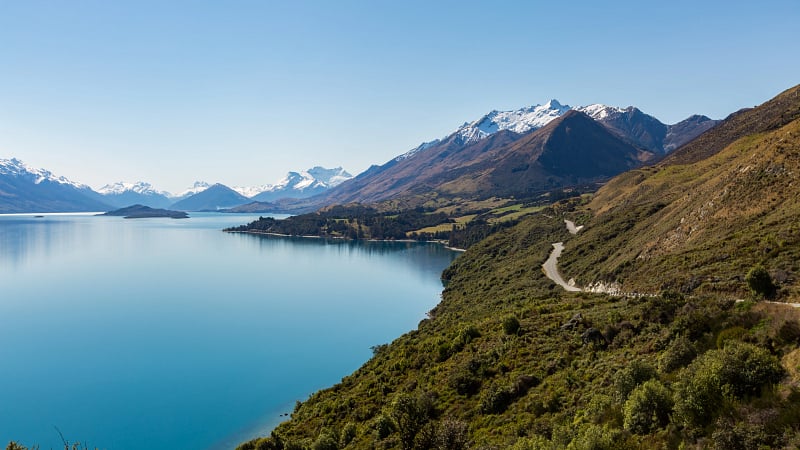
There’s a reason some people recommend renting a camper van and setting out across New Zealand. It’s a beautiful country to explore. A drive can take you through cities and café stops, into farmland, and out to wide valleys and alpine peaks. Instead of photo stops, you get an ever-changing view.
While our tours offer a bit more comfort than a camper van, we do still have tips for enjoying the drives.
Plan fewer “big moves.” Instead of swapping hotels constantly, plan on multi‑night stays so your time in New Zealand doesn’t become one long road trip.
Choose scenic routes. New Zealand has a lot of natural beauty that can make a drive feel well worth the time.
Leave time to linger. Break up longer drives with short walks, a picnic lunch, or time to check out small towns along the way.
Set expectations. New Zealand is bigger than it looks on a map. Our longest drive is about six hours. Recognizing that and planning stops with things to do makes it more manageable.
Flights can save time in New Zealand, but road travel and the ferry provide a more immersive experience and give travelers who’ve already had long flights a break from airports.
Your trip is short and you want to focus on one region.
You’re returning and have a very specific goal (a particular hike, a wine region, a skiing week).
You’d rather fly to one base and do day trips.
You want the trip to feel cohesive (not split into disconnected stops).
You want to enjoy the scenery between destinations.
You're tired of being inside airports and want to enjoy some open space.
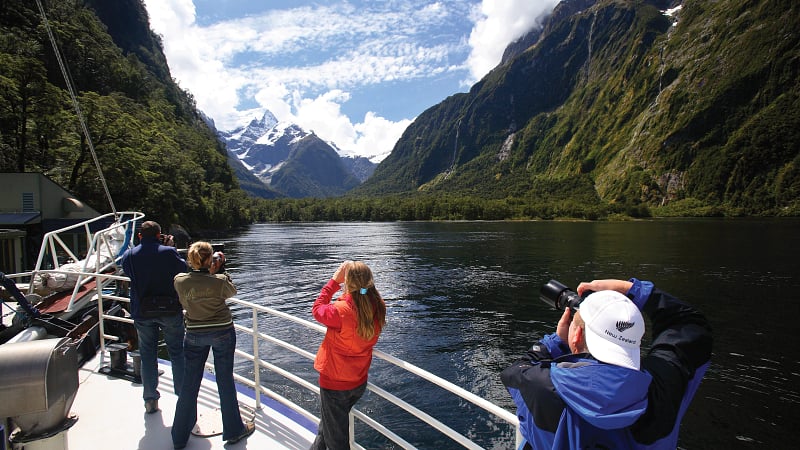
Independent travel can be fantastic in New Zealand, but it does mean researching, booking, and driving yourself around the country, plus dealing with any unexpected travel surprises.
With guided travel, you can still explore on your own (we don’t plan every minute!). Collette’s tours include guided visits to must-see attractions interspersed with cultural experiences and free time. We handle hotels, transportation, and anything unexpected so you don’t have to worry. You can relax and enjoy your trip without spending time confirming the next hotel or activity.
And guided tours have come a long way. With Collette, you won’t spend the trip staring out a coach window. Our New Zealand tours are designed for travelers who want to be outdoors, dip into the local culture, and experience things that might not be in the guidebook — after all, we’re travelers, too.
Learn more about the benefits of guided travel.
Yes, if you have time to include both without squeezing them in. A north‑to‑south route with an island crossing is a good option.
Most trips combine road travel with one crossing between islands (often by ferry), with flights used selectively depending on trip length and priorities.
Yes. Travel is easier in warmer months when longer days give you more time to enjoy scenic drives and routes are accessible across the South Island. See our New Zealand seasonal guide [Will link to new page when ready: /best-month-visit-new-zealand ] for more about the best months to visit different regions.
New Zealand is a long-haul trip for many travelers. That’s why we offer tours that combine New Zealand with Australia and other nearby places, making it easy for you to explore more without worrying about connecting flights and other travel details.